



Have you always been consistent with workouts? Are you always looking to perform better and reach your goals but still not reaching your maximum? Chances are you are only giving thoughts to your pre-workout meal without much consideration to your post-workout meal. Consuming the right diets after you exercise is just as important as what you eat before.
Here is a Detailed Guide to Optimal Dieting After Workouts
In understanding how the right diets can help you after every workout, it’s important to understand how our system is affected by physical activity.
When exercising, your body uses up their glycogen stores for fuel. This results in your muscles being partially exhausted of glycogen. Some of the proteins in your system also gets broken down and exhausted. After your workout, your body tries to refuel its glycogen stores, mend and regrow those muscle proteins.
Eating the right diets soon after you exercise can help your body get this done faster. It is predominantly important to take more carbs and protein after your exercise. Doing this helps your body to:
- Decrease muscle protein breakdown.
- Increase muscle protein synthesis (growth).
- Restore glycogen stores.
- Enhance recovery.
HOT TIPS:
- Consuming the right diets after exercise can help you rebuild your muscle proteins and glycogen stores. It also assists to encourage growth of new muscles.
- Protein helps repair and build muscles.
The rate at which this happens depends on the exercise and your level of working out. Suffice it to say that even a well-trained sportsperson experience muscle protein breakdown. Consuming sufficient amount of protein after exercising gives your system the amino acids it needs to restore and reconstruct these proteins. It also gives you the building blocks required to build new muscle tissue. It is recommended that you consume 0.14–0.23 grams of protein per pound of body weight (0.3–0.5 grams/kg) very soon after an intense workout
The following are vital facts to understand:
- Your system’s glycogen stores are recycled as fuel during exercise. Consuming carbs after your workout helps refill them.
- The rate at which your glycogen stores are used depends on the activity. Example, durability sports causes your system to use more glycogen than resistance exercise.
- If you are engaged in endurance sports (running, swimming, etc.), you might need to ingest more carbs than a bodybuilder.
- Consuming 0.5–0.7 grams of carbs per pound (1.1–1.5 grams/kg) of body weight within 30 minutes after training results in proper glycogen resynthesize.
- Furthermore, insulin secretion, which promotes glycogen synthesis, is better stimulated when carbs and protein are consumed at the same time.
- Consequently, consuming carbs and protein after workout can make the most of protein and glycogen synthesis
- Try consuming the two in a ratio of 3:1 (carbs to protein). For example, 40 grams of protein and 120 grams of carbs
- Eating plenty of carbs to rebuild glycogen stores is most important for people who exercise often, such as twice in the same day. If you have 1 or 2 days to rest between workouts then this becomes less important.
Fat is Actually Good
Many people think that eating fat after a workout slows down digestion and inhibits the absorption of nutrition. While fat might slow down the absorption of your post-workout meal, it will not reduce its benefits.
For example, a study showed that whole milk was more effective at promoting muscle growth after a workout than skim milk. Moreover, another study showed that even when ingesting a high-fat meal (45% energy from fat) after exercising, muscle glycogen synthesis was not affected.
It might be a good idea to limit the amount of fat you eat after exercise. However, you should note that having some fat in your post-workout meal will not affect your recovery.
HOT TIPS:
- Never skip a good workout breakfast.
- Be moderate with the fat…….but always ingest it.
10 DIETS TO EAT AFTER A WORKOUT
Pre-Workout
What happens when you try to drive a car without gas? That’s right—nothing. You are stranded. That’s why after exercising at the gym, a jog or even a brisk walk—you need to replenish your body.
First, you need to replace the liquids you’ve lost through sweat. Then, you need some instant energy to keep you invigorated. For up to an hour or so after your workout, your body will store SmartCarbs and protein as energy. And third, you need protein after a workout to help repair tiny muscle fibers that are injured when you exercise. (According to experts, that is a good thing. Your body, if properly fueled, repairs and replaces those fibers.)
While an ice cream sundae technically supplies all of your post workout needs, there are better, less calorific, not to mention Nutrisystem-approved ways to fill up your tank.
HERE ARE 10 DIETS THAT SHOULD BE ON YOUR MENU AFTER A WORKOUT:
- Mineral Water
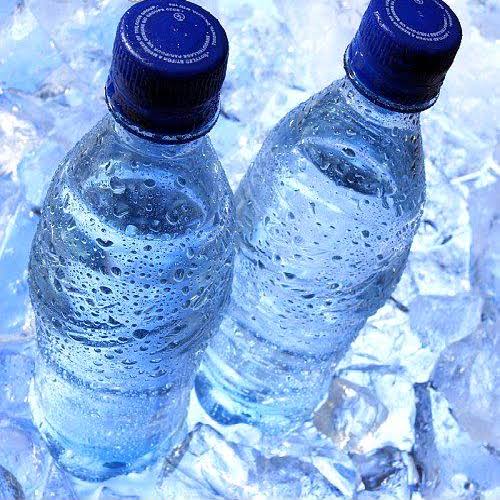
You can lose plentiful amounts of fluid when you’re bodily active. And according to Medline Plus, if you don’t replace it, you risk dehydration which can lead to headache, dizziness and fatigue. You also come up short on electrolytes, electrically charged minerals (such as calcium, potassium and magnesium) in your body. In contrast to that, among other things, enough mineral water in the body ensures your heart, brain, muscles and nerves work the way they’re supposed to. Sports drinks are infused with these vital minerals. You don’t need to guzzle a sports drink though, stick to mineral water to replenish your lost minerals and nutrients.
- Oatmeal
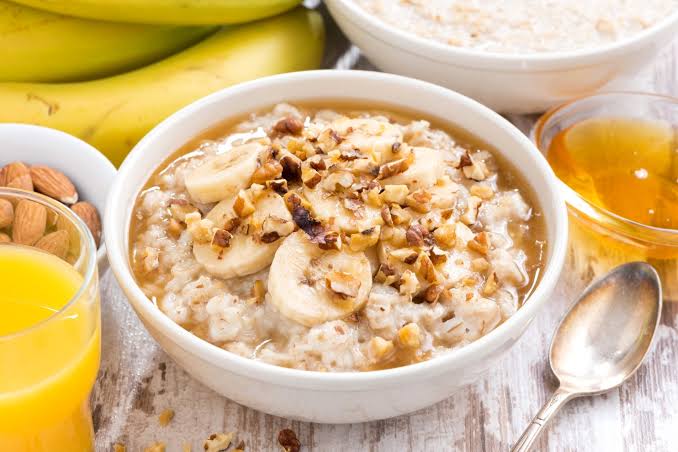
Microwave half a cup of oatmeal combined with water, layering it with your favorite fruit or chopped nuts for a fantastic regaining parfait. Or whip up a pack of Nutrisystem’s own instant Apple Cinnamon Oatmeal or Maple Brown Sugar Oatmeal. Oatmeal is chockfull of soluble fiber that will keep you feeling fuller longer. You may also be less likely to catch a cold. A May 2017 study published in the Journal of Applied Physiology found that having a good carb post-workout can reverse the drop in the immune system that occurs after intense exercise.
- Egg

A 2017 University of Illinois study discovered that eating eggs, yolks included, after working out increases your body’s muscle-building activity. Think hard-boiled egg— handy to prepare in advance and stash in your office or home fridge. On the diet plan, eggs are considered PowerFuels— diets that contain essential amino acids and protein. Because it takes your body longer to digest Power Fuels such as eggs, you also stay fuller longer.
- Tuna or Salmon

It’s pretty handy to carry or stash a pouch of protein-rich tuna or salmon in your gym bag or desk drawer for a quick, healthy recovery snack. A half cup of tuna equals one Power Fuel. But tuna, like salmon, has another thing going for it: Omega-3 fatty acids. Studies have found that these essential fats help widen the blood vessels so more oxygenated blood gets to your muscles. They also reduce inflammation which cuts down on muscle soreness, according to research conducted by the University of Western States. And according to the Palo Alto Medical Foundation, fats like those in tuna and salmon also help you move fat soluble vitamins and other healthy substances through your body. They help your body burn fat instead of storing it— so fill up after a workout!
- Nuts
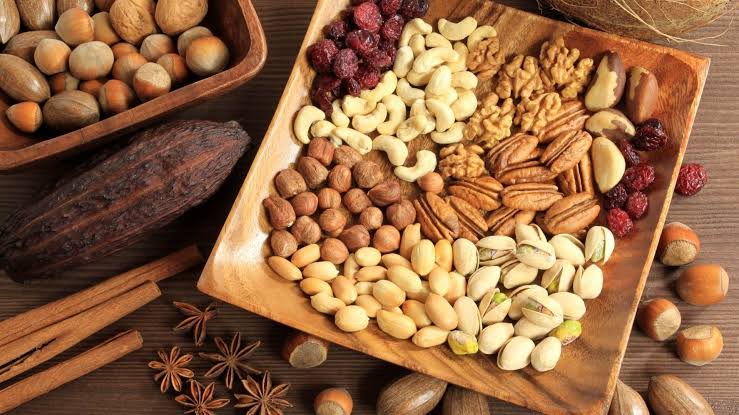
In your Nutrisystem Grocery Guide, you’ll find a variety of nuts listed under “PowerFuels.” They pack a one-two punch after a workout: They’re a great source of muscle-repairing protein. They also contain monounsaturated fat which helps deliver vital nutrients to your body. Walnuts even contain omega-3 fatty acids which some studies suggest can reduce muscle soreness. They’re also high in calories, so stick to your limit: 2 Tablespoons per serving.
- Protein Smoothie
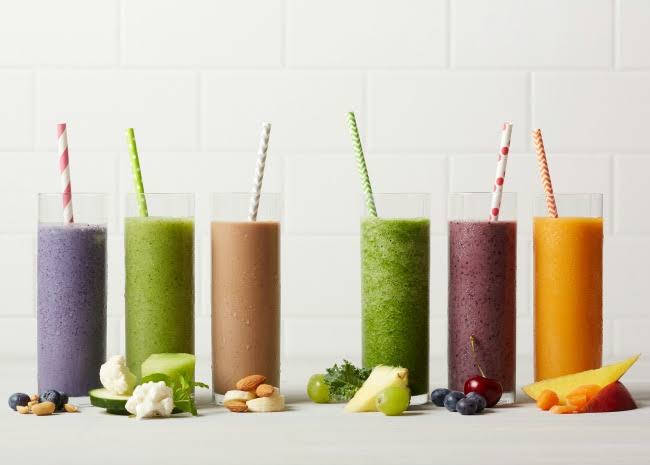
You can certainly make your own, but why not save yourself some time and effort: Keep a batch of Nutrisystem shakes around for a pick-me-up after a grueling workout with your trainer or after Zumba. They have 15 grams of protein and five grams of fiber. Add your own SmartCarbs fruit, and you have a complete recovery shake.
- Low-Fat or Nonfat Milk

Yes, there’s science for this. A 2012 study published in the journal, Medicine and Sport Science, found that this childhood favorite contains an ideal four-to-one carb-protein balance. Along with fluids and sodium, it helps to reduce muscle damage and replace lost fluid and electrolytes in endurance athletes. One cup of nonfat milk equals one Power-Fuel. If you’re having low-fat milk, make sure you consume no more than 120 calories per serving.
- Avocado

Avocados have it all going for them. Officially, they’re fruit, which makes them a Smart-Carb. But they’re also rich in monounsaturated fat, the healthy kind, including omega-3 fatty acids that can curb muscle soreness. According to the United States Department of Agriculture (USDA), they also contain protein, water, and fiber in significant amounts. Along with the minerals, you can lose in sweat after your tenth bur pie. Spread on a slice of whole wheat toast, this Nutri-system “extra”— one serving of pureed avocado is one tablespoon and you can have three extras a day— is a healthy, on-target recovery meal option.
- Greek Yogurt and Berries

One cup of nonfat yogurt constitutes one Power Fuel and supplies about nine grams of protein. Mix it up with your preferred fruity carb—blueberries, raspberries, slices strawberries, banana, and you have the right blend of protein and carbs to refill your fuel stores and patch-up your muscles.
- Peanut Butter and Apple
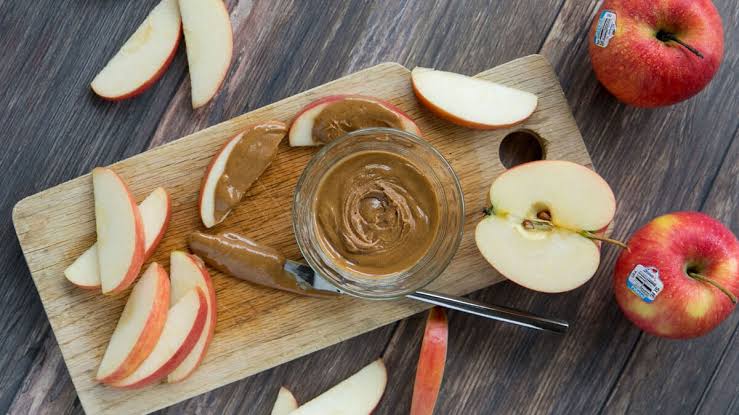
Power Fuel and SmartCarbs—are you seeing the post workout pattern here? Simply slice an apple and spread with one tablespoon of nut butter—your choice. Or go for that old childhood favorite, “ants on a log.” That a schemer of nut butter on a celery stick, dotted with raisins, you can have a minimum of four servings of veggies a day. You can also have up to a quarter cup of raisins, so go “wild” with your tablespoon of nut butter after a workout!
CONCLUSION
It’s proper we take into account our post workout meals. Eating the right diets after workout exercises will allow the body system regenerate already stressed out tissues and improve body functions. This helps to coordinate the general physical well-being of the human body. You should always bear in mind your Nutrisystem Grocery Guide to ensure you are keeping to your course appropriately. You should learn to take charge of your post-workout dieting as much as you do with your pre-workout.
Have something to share?
LEAVE A COMMENT
