




When we think of surveillance and data collection, our minds often jump to smartphones, smart speakers, or social media apps. But there’s another device in your daily life that may be gathering more information about you than you realize: your car.

Modern vehicles aren’t just machines for transportation anymore—they’re computers on wheels, fitted with sensors, cameras, GPS systems, and connectivity features that rival some smartphones. While these innovations improve safety, navigation, and convenience, they also open the door to massive data harvesting.
In fact, experts now warn that your car could be the biggest spy in your garage.
The Rise of Connected Cars
The global push for smarter, safer, and more efficient transportation has transformed vehicles into high-tech hubs. Today’s connected cars are equipped with:
- Infotainment systems linked to your smartphone.
- Built-in GPS navigation tracking every route.
- Telematics systems reporting speed, braking, and engine performance.
- Driver-assist features like lane monitoring and adaptive cruise control, which rely on cameras and sensors.
- Always-on connectivity via SIM cards, Wi-Fi hotspots, or Bluetooth.

While these features sound helpful, they also mean your vehicle can collect, store, and transmit data about nearly everything you do behind the wheel.
What Kind of Data Do Cars Collect?
Cars today are more than machines —they are data centers in disguise. Here’s the type of information they may be gathering:
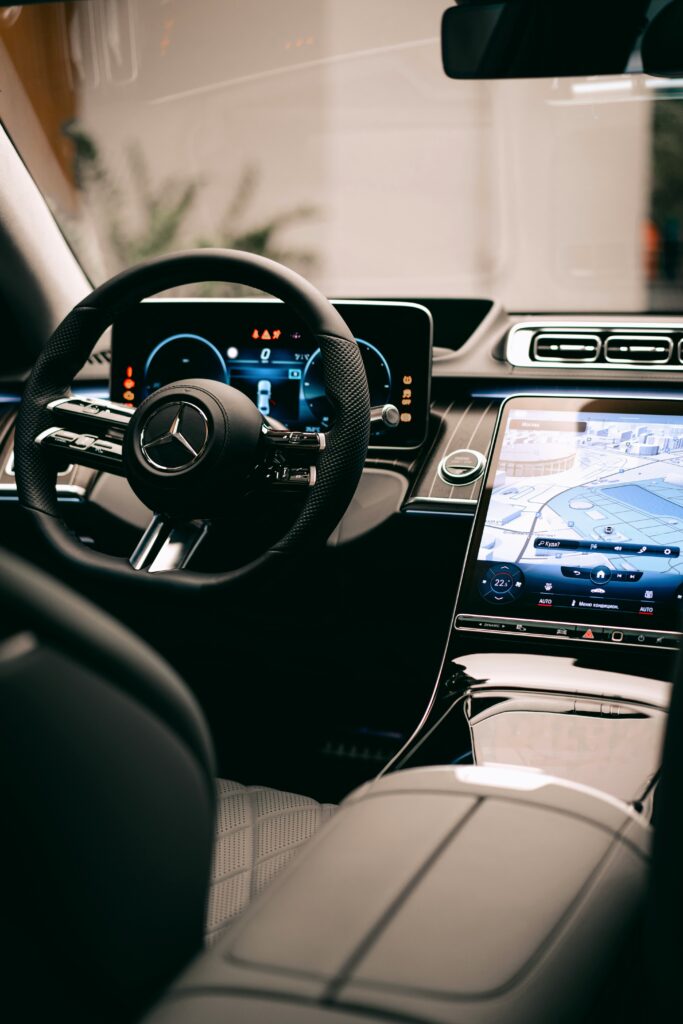
-
Location Data
- Every trip you take, every stop you make, and even how long you stay there.
- Can reveal personal routines like where you live, work, shop, and relax.
-
Driving Behavior
- Speeding habits, braking intensity, acceleration patterns.
- Used by insurance companies to adjust premiums.

-
Personal Identifiable Information (PII)
- Contacts, call logs, messages, and even emails synced via infotainment systems.
-
In-Car Conversations
Voice assistants may record voice commands and in some cases, background audio.
-
Biometric and Sensor Data
- Some vehicles track driver fatigue, heart rate, or seatbelt usage.
This means your car doesn’t just know where you go —it may also know **how you feel, who you talk to, and what you listen to.
Who Owns and Uses This Data?
This is the big question. Automakers and third-party service providers often claim ownership of the data collected by connected vehicles. Here’s who could have access:
Car manufacturers – for diagnostics, recalls, and performance analytics.
Insurance companies – adjusting rates based on your driving behavior.
Advertisers – targeting you with location-based ads (imagine your car suggesting a nearby coffee shop).
Law enforcement – with legal requests, your car’s data could be used as evidence.
Hackers – if security is weak, cybercriminals could steal your data or remotely access vehicle systems.
The Privacy Dilemma
Unlike phones and computers, cars often lack transparent privacy settings. Most drivers have no idea what data their vehicles collect—or how to control it. Even worse, some privacy policies are buried in fine print or written in technical jargon.
In 2023, a study by the Mozilla Foundation found that **cars are among the least privacy-respecting consumer products, with nearly every major brand collecting and sharing personal data.
So the question isn’t if your car collects data—it’s how much and *what’s being done with it*.
Can You Stop Your Car from Spying?
While you can’t completely shut down all data collection, there are steps you can take:
- Review your car’s privacy policy – even if it’s long, it reveals what data is collected.
- Limit smartphone syncing – avoid uploading contacts, texts, and calendar events.
- Turn off location sharing where possible in navigation and telematics settings.
- Avoid third-party apps that connect to your car unnecessarily.
- Ask your dealer or manufacturer how data is stored and whether it can be deleted.
- Keep your car’s software updated to reduce cybersecurity risks.
The Road Ahead: Balancing Innovation and Privacy
Connected cars bring undeniable benefits—safer driving, better navigation, predictive maintenance, and even personalized entertainment. But they also blur the line between transportation and surveillance.
As cars evolve into fully autonomous vehicles, the scale of data collection will only grow. Without strong data protection laws and consumer rights advocacy, drivers risk losing control over one of their most personal spaces: their own cars.
So next time you park in your garage, remember—your car may be resting, but its sensors and systems could still be quietly gathering data. The question is: who’s in the driver’s seat— you, or the data collectors?
