



The Double-Edged Sword of Smart Convenience
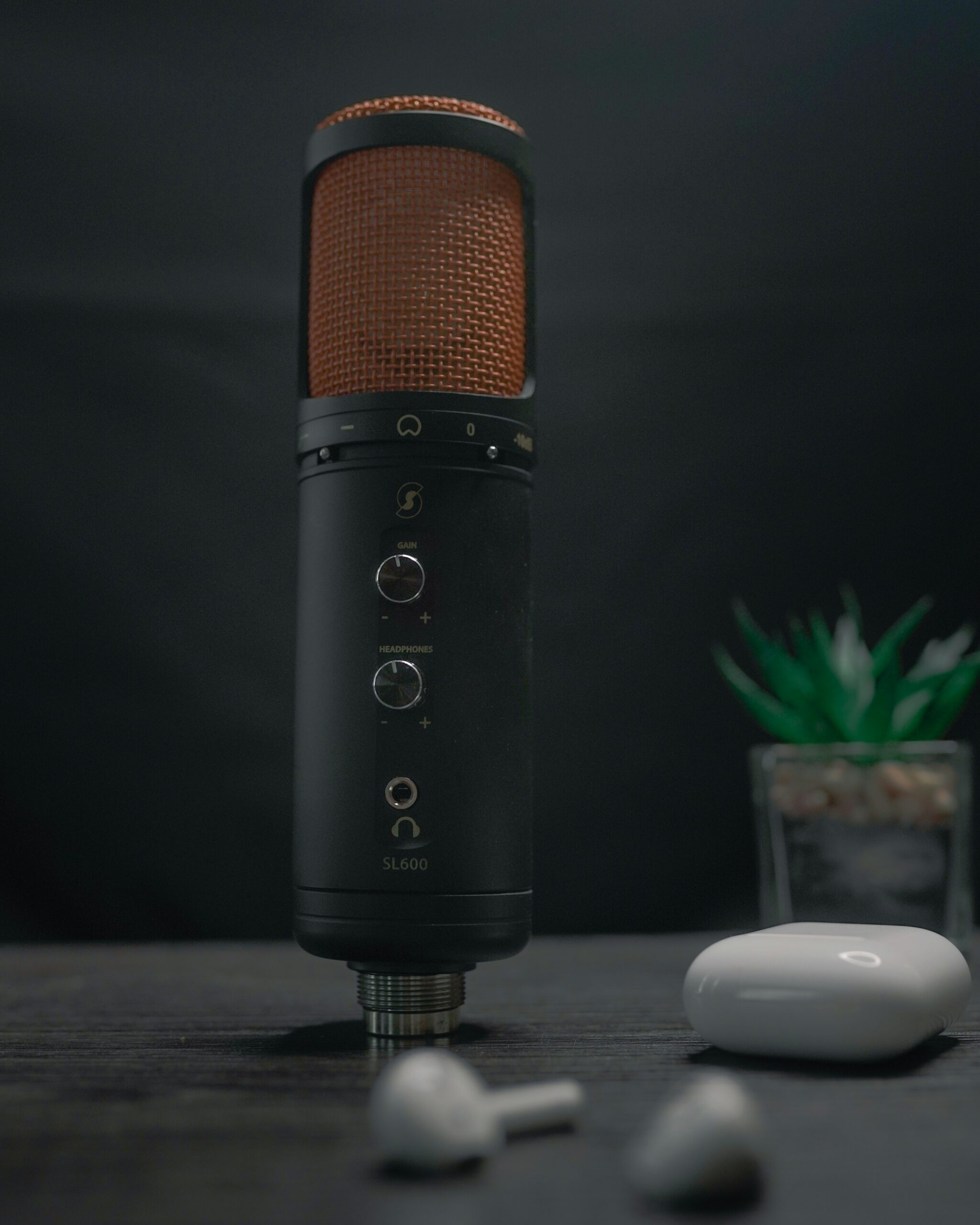
“Hey Siri,” “Okay Google,” “Alexa” — these simple wake words have become part of daily life for millions of people worldwide. Voice assistants can set reminders, control smart home devices, play music, answer questions, and even shop online. They promise hands-free convenience in a busy world.
But what many users don’t realize is that these devices are more than just helpful digital butlers. They are also silent listeners that continuously process, record, and sometimes share vast amounts of personal data. This data can be used to improve AI, but it can also be stored, analyzed, and monetized — raising serious questions about privacy, surveillance, and control.

How Voice Assistants Work
Voice assistants like Amazon Alexa, Apple’s Siri, and Google Assistant are designed to constantly listen for “wake words.” Once triggered, they record your voice command and send it to cloud servers for processing. The system interprets your request, executes the task, and often stores the interaction.
While this process seems harmless, the implications are enormous. Every interaction leaves behind a trail of digital breadcrumbs — from what you say to how often you say it.
What Data Do Voice Assistants Collect?

1. Voice Recordings
- Your actual voice commands are often stored on company servers.
- In some cases, snippets before the wake word are accidentally recorded.
2. Metadata
- Time, location, and device information about when and where you used the assistant.
- This allows companies to build behavioral profiles (e.g., when you’re at home, what your routines are).
3. Smart Home Usage
If connected to smart devices, assistants log what you turn on or off — lights, thermostats, TVs, cameras.
4. Search & Shopping Habits
Requests like “Order more detergent” or “What’s the best pizza near me?” reveal preferences and shopping intent.
5. Personal Details from Conversations
Misfires (when assistants activate unintentionally) can capture fragments of private conversations.
How Companies Use Your Data
Tech companies claim data collection is necessary to “improve services.” While that may be true, it’s not the whole story. The data is also used to:
- Train AI algorithms to better understand speech patterns and accents.
- Target advertising based on your preferences and habits.
- Cross-link data with other services (shopping, browsing, or location data).
- Share with third parties in some cases, such as app developers or advertisers.
For example:
- Amazon has admitted that **human reviewers** sometimes listen to Alexa recordings to improve accuracy.
- Google was found to store thousands of recordings linked to users’ Google accounts.
- Apple had contractors reviewing Siri recordings until privacy backlash in 2019 forced changes.
The Privacy Concerns
1. Always-On Listening
Even though companies insist assistants only activate with wake words, reports have shown accidental activations are common. That means sensitive conversations could be unintentionally recorded.
2. Data Retention
Once stored, it’s unclear how long voice recordings remain on servers. Some companies allow deletion, but not all data disappears.
3. Potential for Abuse
Law enforcement has already subpoenaed voice assistant data in criminal cases, raising concerns about surveillance.
4. Hacking Risks
If hackers breach these systems, private conversations and behavioral data could be exposed.
5. Children’s Privacy
Many kids use voice assistants for games, learning, or curiosity. This opens the door to accidental collection of children’s voices and habits, which can violate child privacy laws.
Real-World Examples
2018: A Portland couple discovered their Alexa device had recorded a private conversation and sent it to a random contact without their knowledge.
2019: Reports revealed that Apple contractors listened to sensitive Siri recordings, including medical discussions and intimate conversations.
2020: Google temporarily suspended its voice review program after leaks revealed contractors had access to sensitive recordings.
What Can You Do to Protect Your Privacy?
1. Review and Delete Voice History
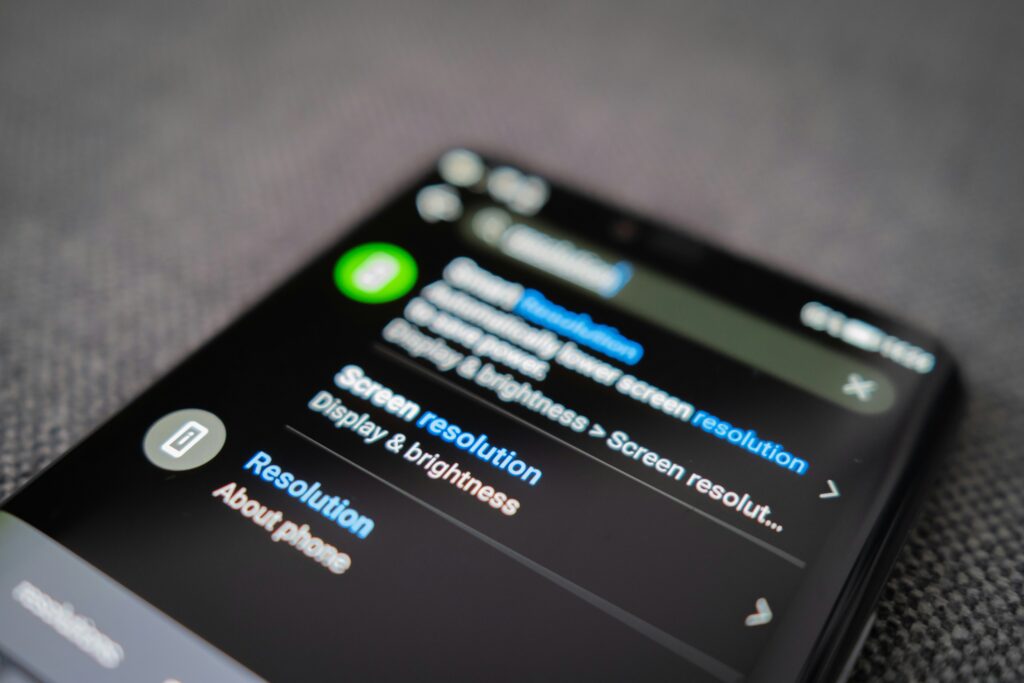
Amazon, Apple, and Google all offer settings to review and delete recordings. Make this a routine.
2. Mute or Turn Off Microphones
Smart speakers have a physical mute button. Use it when privacy matters (e.g., during sensitive discussions).
3. Limit Third-Party Connections
Disconnect unnecessary apps or services linked to your assistant.
4. Adjust Privacy Settings
Opt out of voice recording storage or human review (many platforms allow this).
5. Be Mindful of Placement
Don’t put smart speakers in bedrooms or private spaces where sensitive conversations often occur.
6. Teach Family Members
Especially kids, to be aware that voice assistants are not toys — they are data collectors.
The Future of Voice Assistant Privacy
As smart speakers and voice assistants continue to expand into cars, appliances, and workplaces, the debate over privacy will only intensify. Advocates are pushing for:
Stronger regulations to limit unnecessary data collection.
Transparency about what’s recorded, stored, and shared.
Privacy-first devices that process voice commands locally instead of on the cloud.
Until then, users must balance convenience versus control — deciding how much privacy they’re willing to give up for the comfort of talking to a machine.
Final Thoughts
Voice assistants are undeniably useful, but their hidden role as silent listeners raises profound questions. They not only respond to commands but also quietly capture fragments of our lives, storing them in vast digital archives.
The convenience of asking Alexa to dim the lights or Siri to send a text comes with a hidden trade-off: your words become data points in the business models of the world’s biggest tech companies.
Awareness is the first step. By taking control of settings, limiting usage, and understanding what’s at stake, you can enjoy the benefits of voice assistants without unknowingly sacrificing your privacy.
