



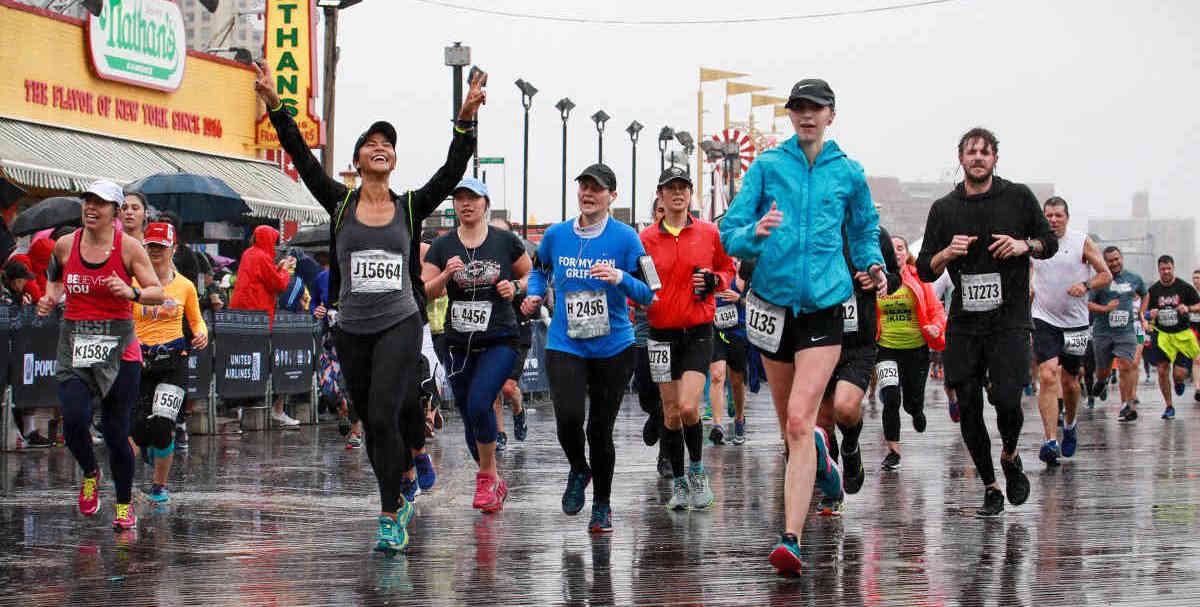
Half marathon training for STARTERS takes time and perseverance, but don’t let that stop you. Even as a beginner, you can train for and complete a half marathon in less time than you think.
SIX PLANS TO HELP YOU TRAIN AND RACE THROUGH A HALF MARATHON
- Commit to a Marathon Group
Before you do anything else to train, you have to sign up and commit. The act of committing to a race and plunking down the registration fee can help to motivate you. Plus, you need to know exactly when the race is so that you can map out your training runs for the next few months.
When you pick which race to run, make sure you leave yourself enough time to train between now and race day. If you can already run 3 miles, then give yourself 12 weeks to train for a half. If it seems impossible to run 3 miles, then proceed from Couch to 5K (C25K) program and move upward from there. Most C25K programs take you from zero to 3 miles in eight weeks. After getting to 3 miles, give yourself at least 12 more weeks to train for 13.1 miles. In total, this is 20 week of half marathon training. And for starters, you can start from the bottom and work up to a half marathon in less than six months. Now go for it!
- Locate A Training Plan And Adhere To It
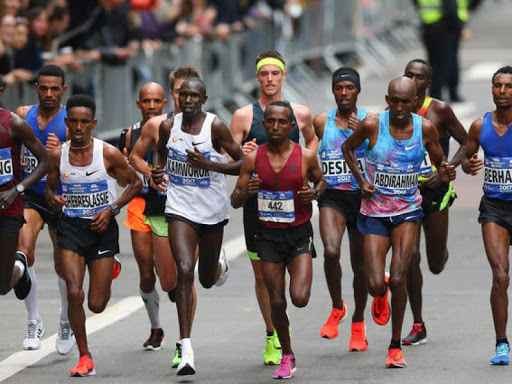
This tip really is that easy. A training plan tells you how much to run and when, so it takes all of the guess work out of training. If you follow a reasonable training plan, you will reach your goal.
Look for a strategy that is right for you: There are plenty available. Check out the training plans online or try Jeff Galloway’s Run-Walk Half Marathon training plan.
Run Walk Run ratio should correspond to the pace used (Runners):
- 8 min/mi—4 min run/30 sec walk
- 9 min/mi—3 min run/30 sec walk
- 10 min/mi—90 sec run/30 sec walk
- 11 min/mi—60 sec run/30 sec walk
- 12 min/mi—60 sec run/30 sec walk
- 13 min/mi—30 sec run/30 sec walk
- 14 min/mi—30 sec run/30 sec walk
- 15 min/mi—15 sec run/30 sec walk
- 16 min/mi—10 sec run/30 sec walk
- Be Ready To Spend
To train and successfully complete half a marathon, you really need some good apparatus. The first thing to buy (if you haven’t already) is a good pair of running shoes. Make sure you get a proper fitting at a local running store if this is your first pair. After that, you can buy the same shoes online for less money.
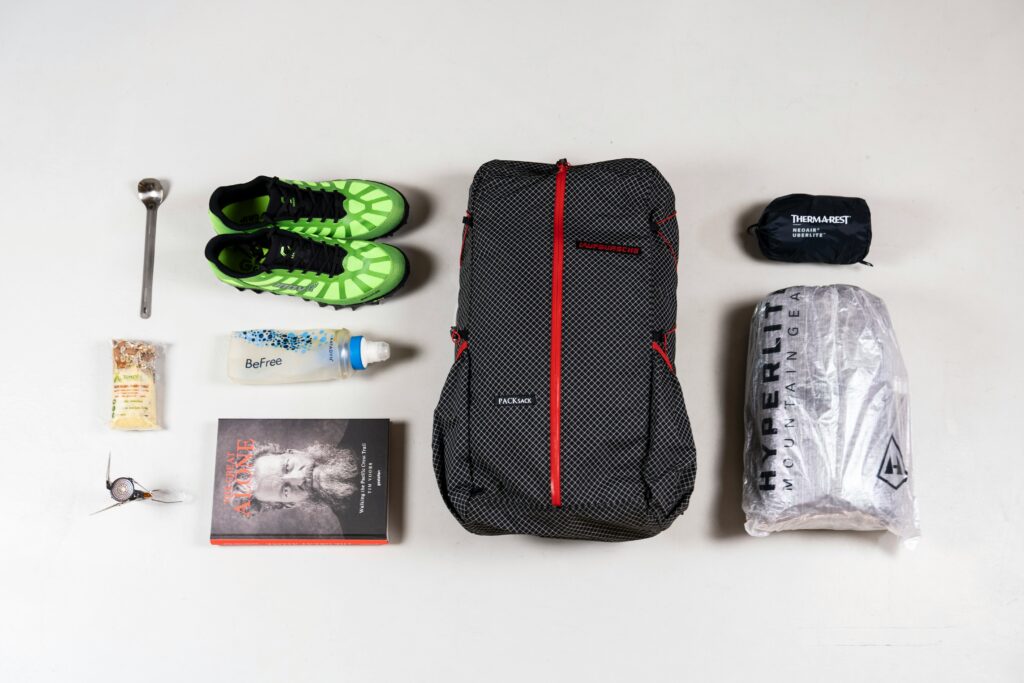
Next, you will want to look for a good tech tee that wicks sweat away from your skin and fit well to avoid chafing. Also look for good running shorts, pants, capris or perhaps a running skirt. You’ll have to shop around to find what style works for you. You can buy a pair each to start and then run with them for a while to make sure they function well on the run. Finally, try out some quality socks which pull moisture away from your feet. This helps to decrease the occurrence of blisters.
After you’re properly dressed you will need to accessorize with a hydration belt. A hydration belt is a small belt that fastens around your waist. It will allow you to carry energy gels or snacks and many belts also have a place for a water bottle. A good one should also have a pocket for a few necessities like a cell phone, keys or photo ID. There are many brands and styles, so check around.
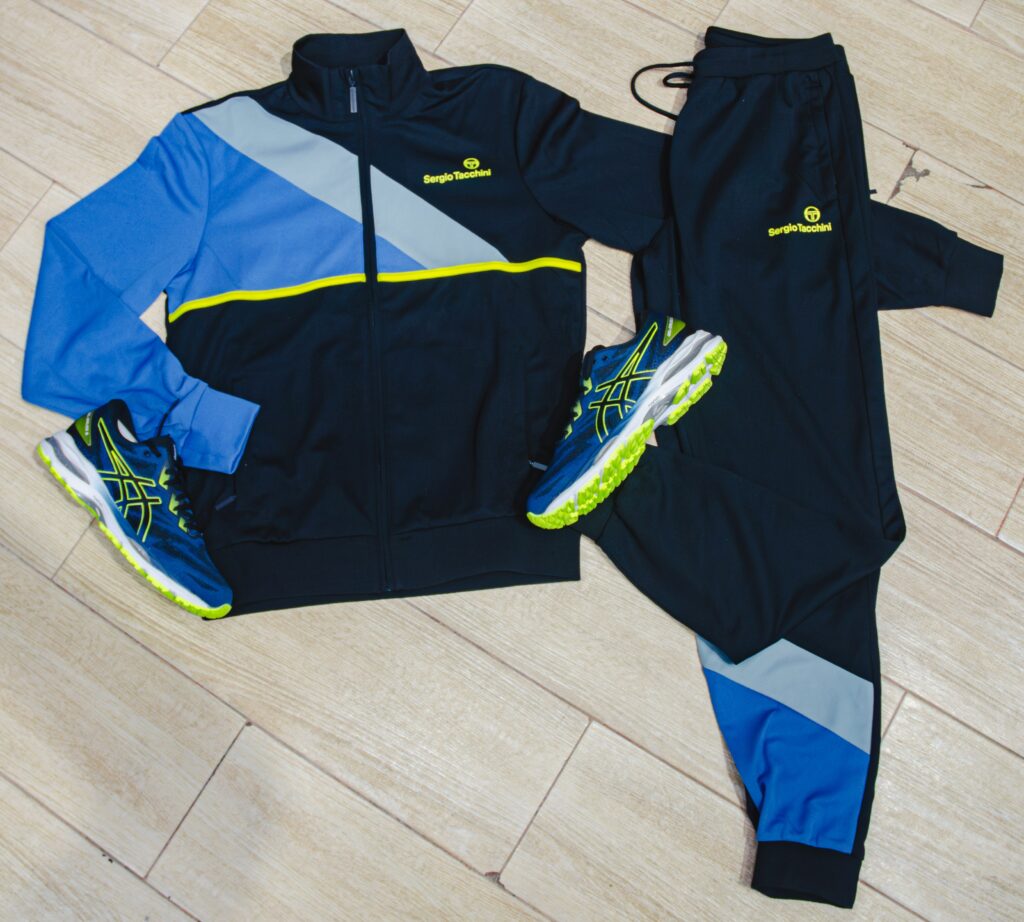
You may also wish to wear a DRIFIT jacket to keep your body warm, in case you meet up with a bad weather. We are sure one of our best outdoor running jackets will make a good choice for your needs.
- Dieting
When it comes to half marathon training for STARTERS, nutrition becomes even more important. You need to gauge your fuel level very well before your race and also eat well subsequently to ease recovery. Before your long runs, you should take a good carbohydrate diet a day or two in advance, like whole grain pasta, quinoa or sweet potatoes. Most of these foods can help your body stock up extra glycogen which you can draw on for quick energy during the run.
Some good pre-long run choices are oatmeal, a whole grain bagel with peanut butter and a banana. Try a few different food choices during your training runs to find what works best for you. Aim to eat about one hour before your run for adequate digestion time.
After your long runs you want to refuel within 30 minutes. Eating some proper recovery food in this time will help your body absorb the nutrients fast and will decrease fatigue and runner’s munchies. There are many recovery sports drinks on the market and many of these works well, but a simple solution has also proven to be one of the best: a glass of low-fat chocolate milk. Chocolate milk is a great mix of protein, carbs and fat and is absorbed into your system quickly. If milk or a recovery drink is not to your taste, then try peanut butter, bananas or some GU energy gels. Try out a few different foods to find what works for you.

Two last things about fueling well for 13.1 miles. First, drink water, lots of water. Drink water in the days leading up to, before, during and after your long runs. Do not underestimate the importance of water. Becoming dehydrated is not fun and can be quite dangerous. Second, don’t try new diets on race day. Make sure you have “prepared” what you will eat on race day. It is vital to understand that what you eat will not upset your stomach and will take you well through the race. You will have copious long runs over 6 miles to test your nutrition plan.
- Adequate Preparation
To help you concentrate on the race, pack your kits a day before. Don’t leave the details until race morning as you may be nervous, excited or just plain distracted by race day. You don’t want to worry about details on race morning. Also, if you have someone coming to cheer you on, make sure you have a cell phone. The crowds at many races can make it difficult to find your family or friends’ so being able to communicate during the race is key.
Whether you have a target or not, remember that you’ve labored hard to be prepared for your race. Don’t focus so much on the finish line that you don’t take in any other aspects of the race. Relax a bit and understand that running a half marathon is a big achievement. Bask a bit in your glory as you cross that starting line and ultimately the finish line. You’ve earned that privilege!

The beauty of the half marathon is what lies in the opportunities that follow. You run your first half and there’s no denying you’re a “real” runner. You run your first half marathon and think, “I could probably do that again,” and then you probably do. You run your first and think, “No way could I run a full,” but then a few months later you’re smack in the middle of a serious training cycle that would surprise your previously doubtful self.
So nevertheless, when you carry out the half marathon training as a beginner you are rest assured to get through the following benefits listed below:-
1. You’ll Stay Motivated to Run. …
2. You’ll Burn a Lot of Calories. …
3. You’ll Experience Lots of Health Benefits. …
4. You’ll Have a Lifetime of Bragging Rights. …
5. You’ll Discover New Running Routes. …
6. Your Training Will Have More Structure. …
7. You’re Less Likely to Get Injured. …
8. It’s Not as Time-Consuming as Training for a Marathon.
