



The best stability running shoes combine comfort and support for a reliable ride. Most major brands make stability running shoes, and they get better each year. The technology they use is different, but they all have the same purpose- to create a more stable feeling for runners.
These are the best stability running shoes in the market today:
- New Balance 860v10
- Brooks Adrenaline GTS 20
- HOKA Arahi 4
- Nike Air Zoom Structure 22
- ASICS GEL-Kayano 27
- Saucony Guide 13
- Mizuno Wave Horizon 4
- On Cloudstratus
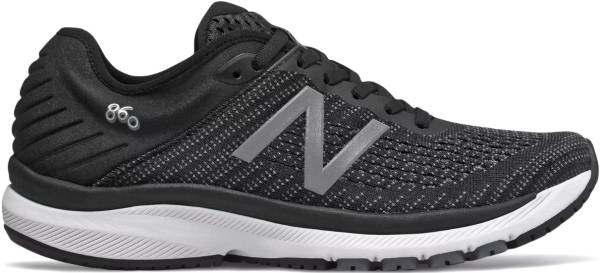
The New Balance 860v10 is a classic and dependable stability running shoe. New Balance inserted a medial post into the 860 to create the stable feeling. The firmer foam is surrounded by a TruFuse midsole that is durable and comfortable.
The 860 has been around for a decade now, and it’s become a favorite for recreational runners and pros alike. In the New Balance 860v10 review, pro runner- Abbey Thomas said the 860 has been a great shoe for her because it provides stability without compromising any performance.
The non-professional Fleet Feet testers said they also loved the fit of the updated Ultra Heel and the roominess of the toe box. With comfort and stability, the New Balance 860v10 is one of the best stability running shoes around.
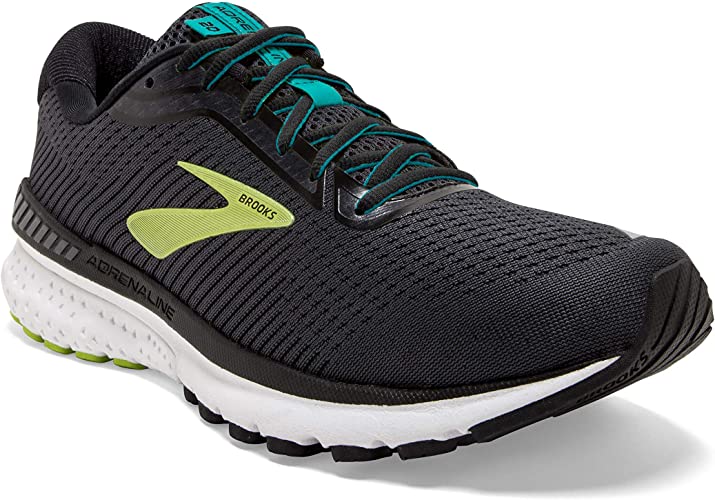
Two decades after it first hit the streets, the Brooks Adrenaline GTS 20 remains one of the best stability running shoes in the game. Instead of using a medial post, Brooks developed a new support technology called GuideRails. The GuideRails keep excess movement in check like bumpers on a bowling alley lane. The rails gently guide your foot back to the middle when it drifts too far in or out.
Brooks says the new tech shifts the focus of support to the most injury prone part of a runner’s body- the knees. Fleet Feet testers said in the Brooks Adrenaline GTS 20 review that the GuideRails are unobtrusive, creating a smooth-riding shoe every step of the way.
In addition to the updated GuideRails, Brooks used two types of foam to cushion the ride. Designers used DNA Loft foam- the softest foam in Brooks running shoes, to create a cushy landing and they used BioMoGo DNA foam for a firmer, more responsive feeling in the forefoot.
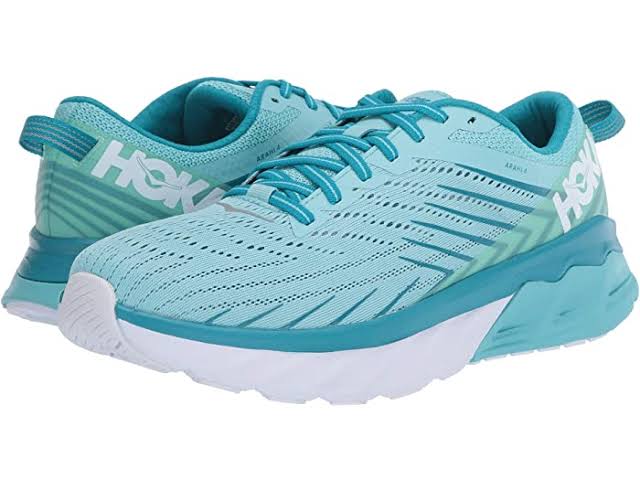
The HOKA ONE ONE Arahi 4 is a smooth-riding stability running shoe thanks to HOKA’s J-Frame technology.
HOKA developed the J-Frame as a lightweight way to add stability to its shoes. Like the name suggests, the J-Frame is a firmer hook of foam formed roughly into the shape of a J. Using foam instead of a piece of plastic keeps the weight of the shoe down and maintains flexibility, so it still feels fast. It works similarly to a medial post: The firmer piece of foam wraps from the heel of the Arahi 4 all the way up the medial side of the shoe. It compresses less than the surrounding foam to create a more durable surface.
In the HOKA Arahi 4 review, Fleet Feet testers said they liked the smooth ride provided by the J-Frame. Plus, it’s a HOKA running shoe, so it’s packed with cushioning to soak up the repeated pounding of running.
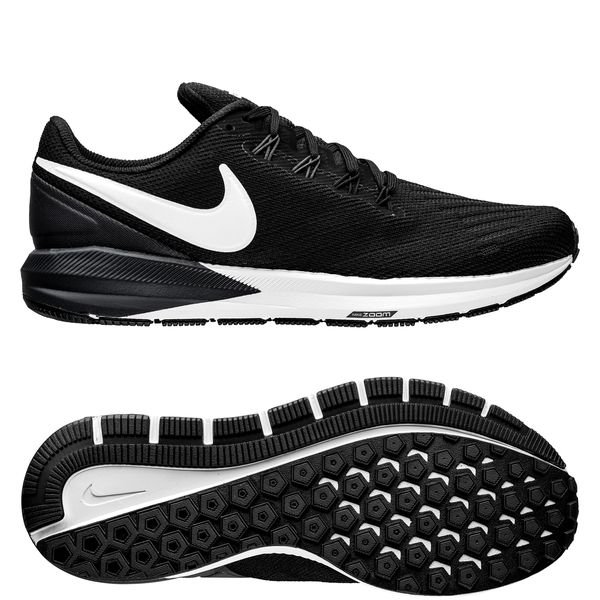
To create the Nike Air Zoom Structure 22, Nike combined two technologies: Air and Dynamic Support. The pairing resulted in a stable platform with a snappy response. Stability comes from the Dynamic Support system tucked into the midsole. Nike used a two-foam system to stabilize the shoe, comprised of softer foam set inside a firmer foam bed. The softer foam is molded into a wedge in the rear foot, which puts less foam beneath the medial side of the shoe and more on the lateral edge.
Due to the way it is made, the support system acts differently for each runner. It provides more support to runners who need it and less to those who don’t. A Zoom Air unit in the forefoot gives the shoe its quick response, and the engineered mesh upper is comfortable and airy. The Air Zoom Structure 22 is a well-rounded stability running shoe built for as many miles as you are up for.
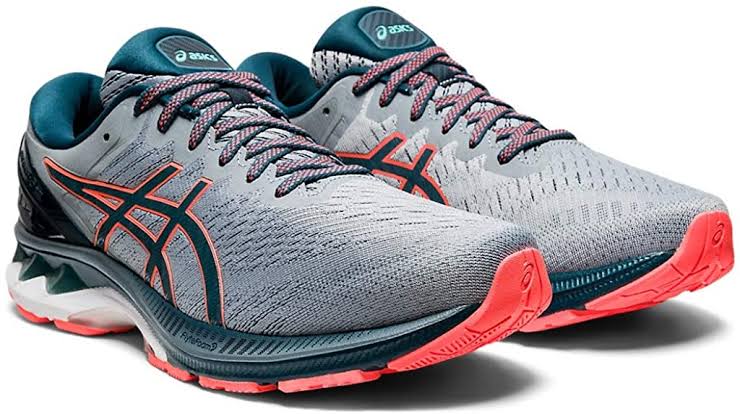
The ASICS GEL-Kayano 27 maintains its status as one of the best stability running shoes thanks to a few updated components. ASICS took its popular Kayano and tweaked the parts to make the shoes unique to each gender. There are three differences between the men’s and women’s models:
- Tailored Trusstic systems: The women’s Trusstic system provides improved support for forward motion, and the men’s model provides additional arch support.
- Midsole feel: The foam midsole in the women’s Kayano 27 is slightly softer than the men’s.
- Amount of foam: The women’s shoe isn’t just softer; it also has 3mm more foam underfoot than the men’s Kayano 27.
What didn’t change about the venerable Kayano though, is its support for over pronation. The burly Dynamic Duomax system helps keep the shoe stable over time and the Trusstic system helps prevent twisting for a consistent ride. In the Fleet Feet ASICS GEL-Kayano 27 review, testers said the newest Kayano is comfortable and accommodating, making it ideal for long runs, recovery days or for slipping on at your standing desk.
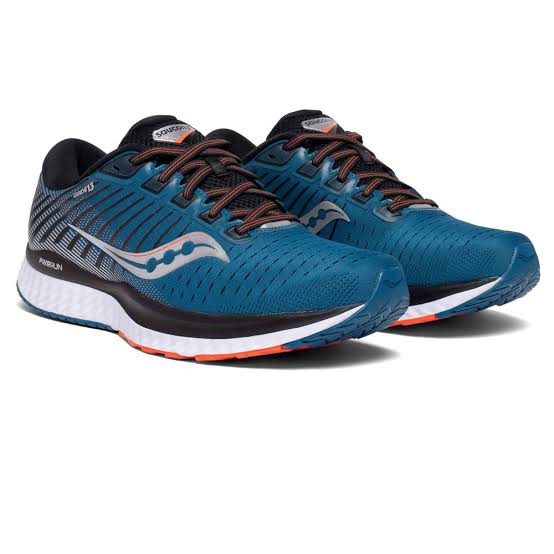
The Saucony Guide 13 turns up the stability with a lightweight TPU insert, and it packs enough cushions to carry you through even your longest runs. Saucony updated the Guide this year to swap in a new fit system. Designers replaced the outgoing ISOFIT technology with FORMFIT. The new system uses three layers of cushioning to give you a fit that adapts to your unique stride and weight.
Fleet Feet testers gave the shoe high marks in the Saucony Guide 13 review for materials, fit and performance. They said it delivered a secure fit and felt nimble, thanks to the PWRRUN midsole. Also, it was light enough to shift into a higher gear when necessary.
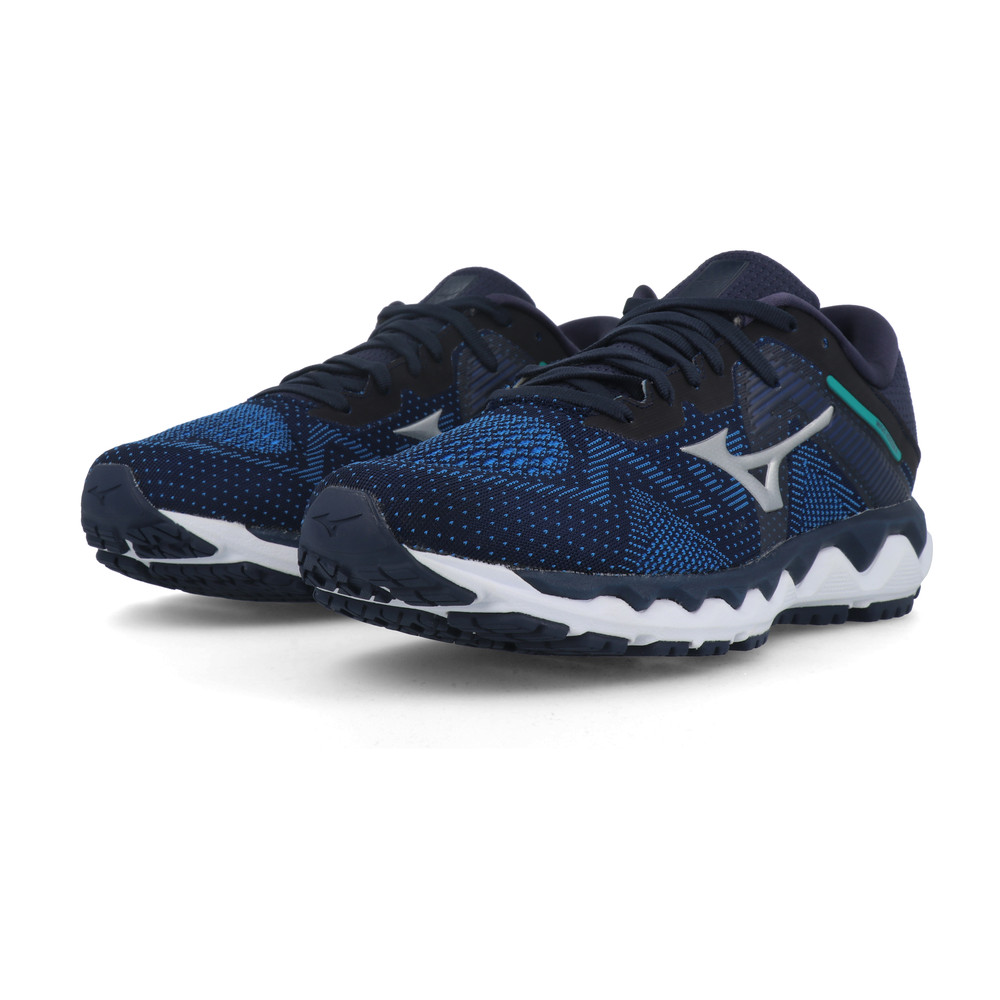
The Wave Horizon 4 is an ambitious update to Mizuno’s stability running shoe, but it paid off.
Mizuno dropped its signature Wave Plate from the Horizon in favor of a new Foam Wave. The Foam Wave creates stability by using different wave shapes on each side of the shoe flat- rectangular waves on the medial side for stability and rounded waves on the lateral side of cushion.
The update also included a sheet of Mizuno’s XPOP foam. Set inside a ring of Mizuno’s standard cushioning, the XPOP lends the shoe a much bouncier feeling. In the Mizuno Wave Horizon 4 review, testers said the shoe isn’t going to break course records, but it is a well-cushioned and comfortable stability shoe that’s ideal for anyone who needs a little extra support.
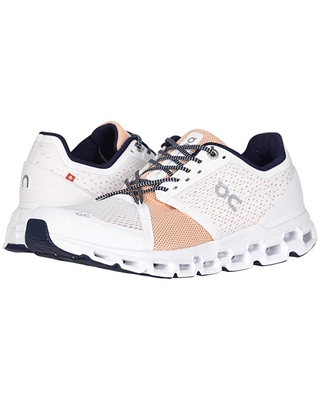
The On Cloudstratus promotes stability and cushion with its wild-looking midsole.
On is known for its minimalist looks and CloudTec midsoles, but the Cloudstratus doubles up on the cushioning. The two layers of On Cloud elements soften the ride, and the wide midsole and firm feel give the shoe its inherent stability.
Designers also fused the forefoot Cloud elements together to give you a solid platform to push off from. Fleet Feet testers said in the On Cloudstratus review the shoe feels stable in all situations, and it provides excellent mid-foot and heel structure.
Stability Running Shoes Terms
To understand how stability running shoes work, it’s important to know a few basic shoe terms.
Medial side: The medial side of a shoe is the inside edge. Starting at your big toe, trace a line back to your heel, and that’s the medial side.
Lateral side: Opposite the medial side, the lateral side is the outside of your foot. Starting at your small toe, trace the outside of your foot back to your heel, and that’s the lateral side.
Medial post: The firmer piece of foam or rigid plastic insert that improves durability on the medial side of the shoe.
Over pronation: Pronation is the natural inward roll of your foot when you transition through the gait cycle. Over pronation happens when your foot spends too much time on the instep as you transition from heel to toe.
How Stability Running Shoes Work
For a long time, the running industry marketed stability running shoes as a way to correct over pronation. Most typical stability shoes used a medial post- a firmer piece of foam or plastic under the arch to create the stable feeling.
But times have changed!
While some modern stability running shoes still use a medial post, others now employ different technologies to create the stable ride you’re after. Even the way we think about stability shoes is different now: Rather than trying to correct over pronation, running shoes built for stability create a stable platform over the life of the shoe.
Runners who over pronate spend more time on the instep of their shoe, also called the medial side. As their feet roll naturally inward, they compress the foam more under the instep and less on the outside (also called the lateral side).
The uneven compression leads to uneven shoes over time. If you set a pair of old running shoes on a table in front of you and look at them from behind, you would eventually see the shoes sloping inward toward each other.
Stability running shoes work to prevent that from happening. Firmer foams or plastic inserts compress less than their softer counterparts, so adding them to the spot that wears out the fastest can help the shoe wear evenly and last longer.
How We Picked The Best Stability Running Shoes
We used data from our fit id® outfitting process, interviews with designers and real-life wear testing to determine the best stability running shoes for most runs and the most runners.
CONCLUSION
Above all that has been said, the benefits of having stability running shoes are that they offer additional cushioning and support to keep your feet from rolling inward. This keeps your feet better aligned with your legs. It has added advantage of keeping your legs and feet injury-free. Also, stability running shoes help control pronation. If you are to pick a suitable stability running shoe, which one on our list would make a top choice for you?
