



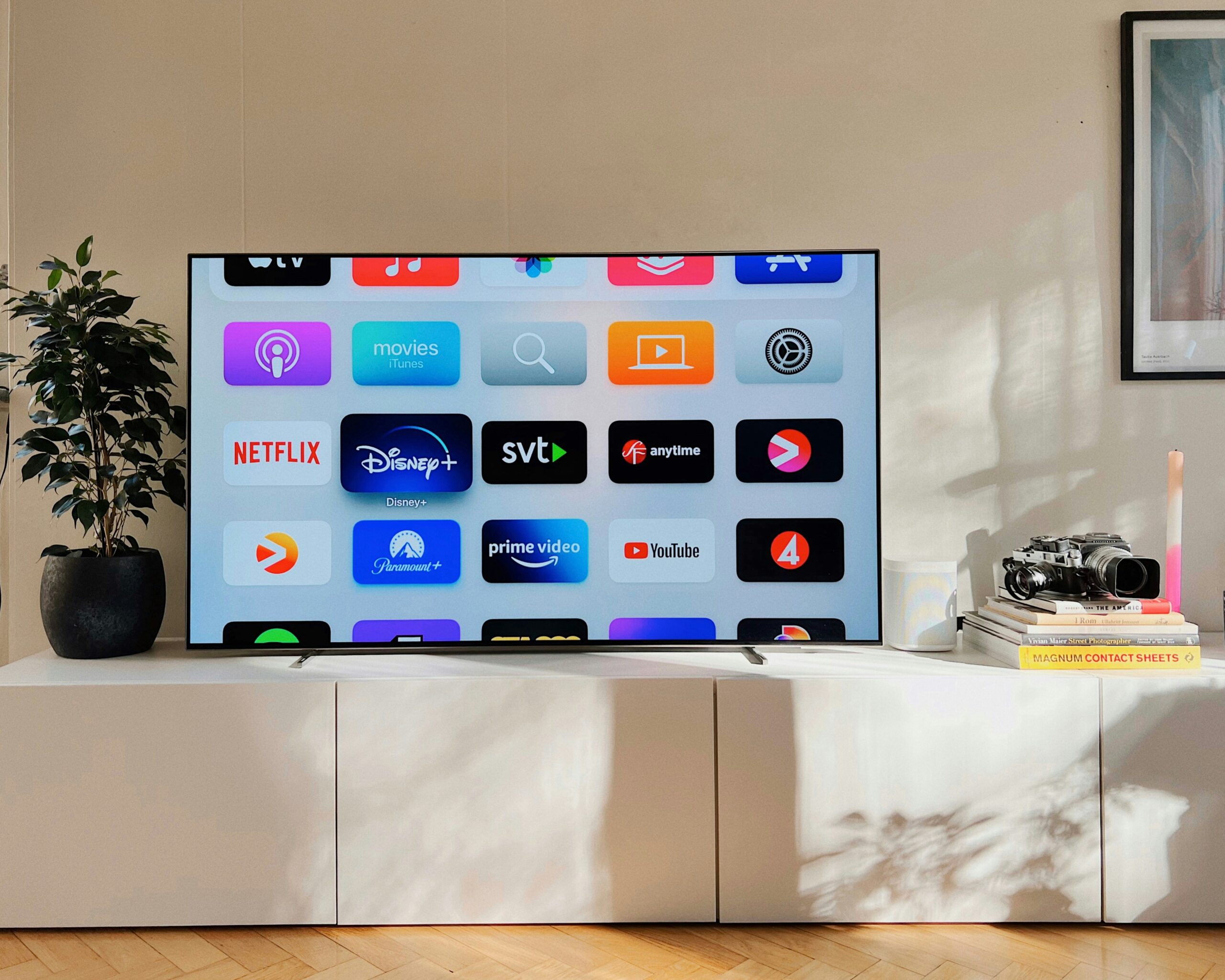
In today’s connected world, smart TVs have become ubiquitous in homes, offering internet connectivity, streaming services, apps, and more. However, behind the sleek screens lies a sophisticated system quietly collecting vast amounts of data about viewers—often without their informed consent or awareness. Understanding how smart TVs collect this data is essential to protect privacy in an increasingly surveilled digital landscape.
The Hidden Surveillance Technology: Automatic Content Recognition (ACR)
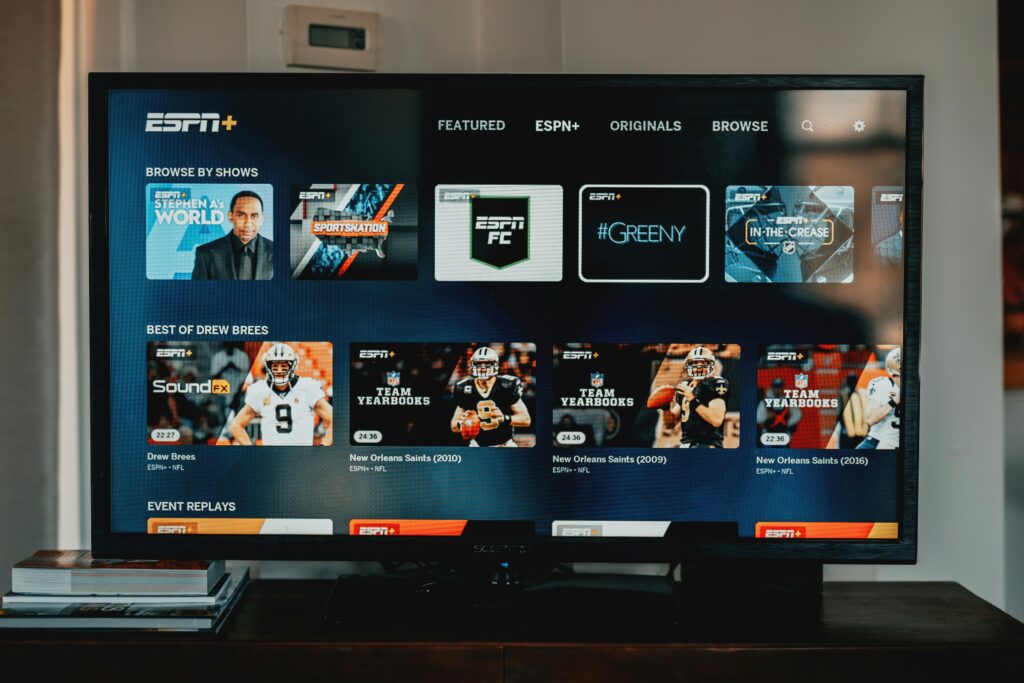
At the heart of smart TV data collection is a technology called Automatic Content Recognition (ACR). ACR acts like a “digital detective,” capturing screenshots or audio snippets of whatever is displayed or played on the TV screen. This technology can identify content whether the user is watching traditional broadcast TV, streaming via apps, or even using the TV as a monitor for external devices like laptops and gaming consoles connected via HDMI.
Unlike passive viewing, ACR actively analyzes the content to create highly detailed viewer profiles based on habits and preferences. These profiles are then sent to the manufacturers’ servers, allowing brands to monitor and track viewing behavior almost constantly.
Data Collection Is Constant and Intrusive
Recent studies have revealed just how pervasive this data collection is. For instance, Samsung smart TVs have been found to send content data every minute, while LG models transmit screenshots every 15 seconds. This frequency continues regardless of how the TV is used—whether watching live TV, streaming, or connected to an external device—meaning users are monitored continuously.
This intense surveillance lets smart TV companies and advertisers generate detailed consumer profiles, which are then leveraged for targeted advertising and marketing strategies. Unfortunately, many users are unaware that these intrusive tracking features are enabled by default and that disabling them is often neither obvious nor straightforward.
Beyond Viewing Habits: What Data Is Collected?
Smart TVs collect more than just what channel or show is watched. The data collected can include:
- Viewing duration and frequency across channels and apps
- Information about external devices connected to the TV (e.g., laptops, gaming consoles)
- Interaction data from voice commands and remote controls
- Location data derived from network connections
- Personal app usage and navigation patterns
Some smart TVs also send data to third-party companies like Google and Microsoft during initial setup, compounding the privacy risk by involving multiple data recipients.
The Privacy and Ethical Concerns
This data collection without meaningful or transparent consent raises serious privacy issues. It transforms smart TVs from entertainment devices into surveillance tools functioning silently in the background, often with limited user control. The lack of transparency about what data is collected and how it is used makes it difficult for users to make informed decisions.
Moreover, the growing integration of Internet of Things (IoT) devices increases the scope of this surveillance network, potentially allowing companies to track consumers across multiple devices and contexts.
What Can Consumers Do to Protect Themselves?
While the situation appears concerning, consumers still have options to reduce their exposure:
- Review and Adjust Privacy Settings: Many smart TVs allow users to disable ACR and other data-sharing features, but it often requires navigating through multiple privacy menus.
- Disconnect from the Internet: Unplugging or disabling the TV’s internet connection eliminates most tracking capabilities but also removes smart features.
- Use “Dumb” TVs: For privacy-conscious consumers, non-internet-connected TVs remain a safer choice.
- Stay Informed: Awareness about how smart TVs collect and use data is crucial. Advocating for clearer manufacturer transparency and stronger privacy regulations can help shift industry practices.
This insight into smart TV data collection reveals a silent, pervasive surveillance embedded in our everyday devices. As technology advances, vigilance and proactive steps are needed to protect personal privacy amidst a growing sea of smart consumer electronics.
What can you do differently to protect your privacy while enjoying your favorite content on TV? Check your smart TV settings today to safeguard your privacy.
